How to Choose the Best Classical Pilates Studio in Vancouver

Russian Split on the Classical Reformer.
Searching for Classical Pilates in Vancouver can bring up studios with different lineages, teaching styles, equipment and class formats. So how do you compare them and find the right place for your body and your goals?
No single studio is best for everyone. The right choice is the one where the method, the teacher’s experience and the way sessions are structured fit what you need today and support where you want to go.
Use this guide to look beyond the name on the door. Ask a few thoughtful questions, observe how a studio works and notice whether you feel seen as an individual.
Start with the teaching, not the label
“Classical Pilates” can describe studios with different teaching histories and approaches. Ask what the studio means by Classical; for example, is it Romana Kryzanowska? Ron Fletcher? STOTT? Basi? The last three are not explicitly Classical techniques but they have elements of it. How has the teacher’s training prepared them to teach it?
A well-prepared teacher should be able to explain their training clearly. Ask whether it covered Matwork and a range of apparatus, how much supervised teaching experience it involved, and how the teacher continues to develop their skills. If you’re exploring Pilates teacher training in Vancouver, these questions matter: a strong training pathway should help a teacher understand the method as an integrated practice, not simply a memorization game.
Credentials are an important starting point. The next question is how a teacher applies that knowledge to you. Do they ask about your movement history, goals and any concerns before beginning? Can they explain what they observe and how they’ll adapt the work? Most importantly, can they tell you how that exercise will address your concerns or specific issues you are having in your body?
Look for knowledge delivered with care.
Notice whether your session is guided
A familiar sequence can be a valuable foundation. But a session should not feel like a script that ignores you.
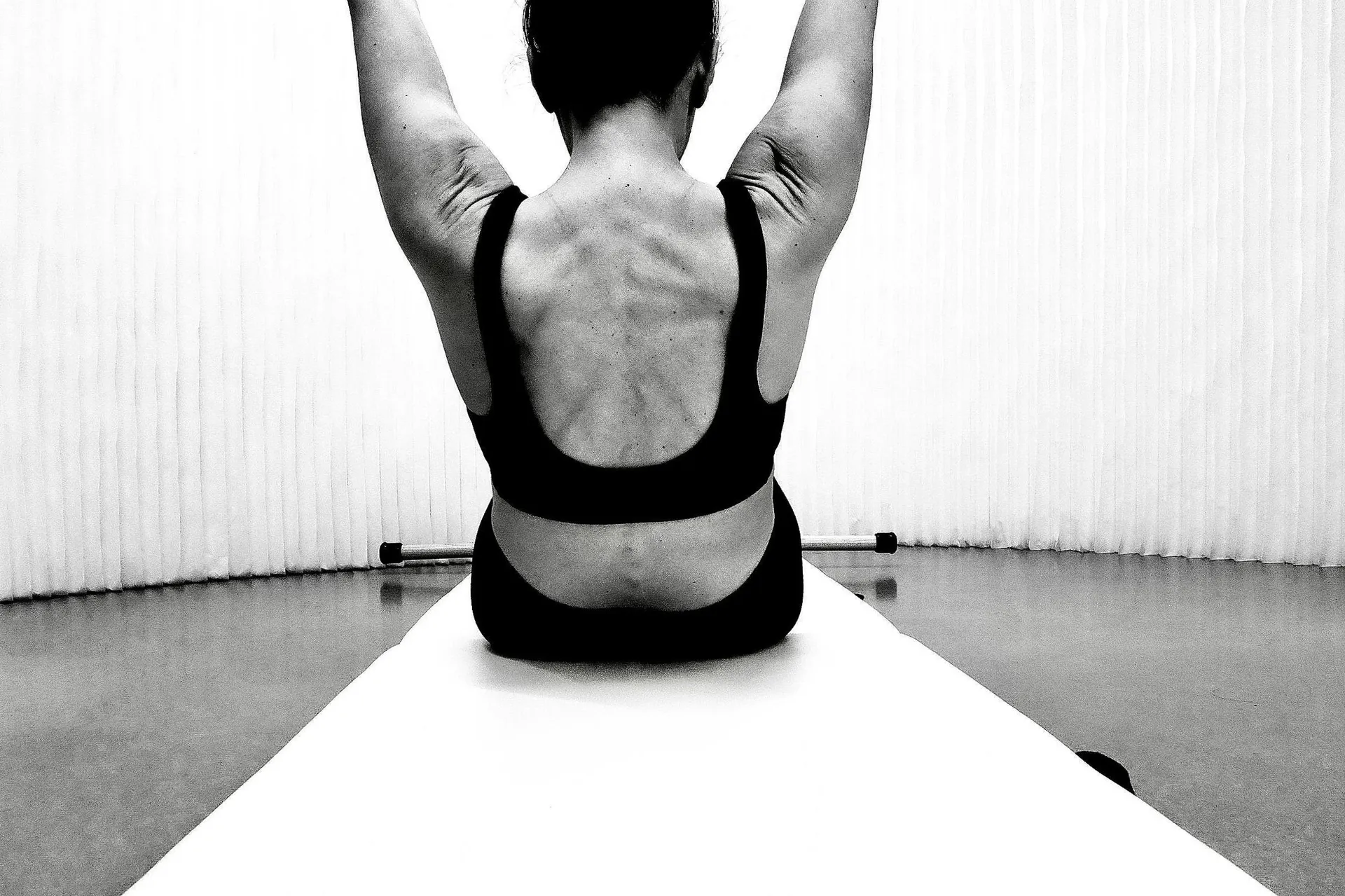
In a guided session, you are supported to become more aware of your own movement. You may choose your warm-up on the Mat or the Reformer, then move through the repertoire with the teacher’s guidance. The teacher observes your movement then selects exercises and guides you to apparatus that serve your needs that day.
That structure brings together two important things: the principles of classical Pilates, and a personal path through the work. The aim is not simply to complete a set of exercises. It is to understand how you move, and gradually build the awareness and confidence to work more independently.
Ask a prospective studio: “How do you adapt a session to the person in front of you?” A thoughtful answer should describe observation, conversation and choice, not only a standard class plan.
Look for the Matwork underneath the apparatus
Pilates apparatus can be impressive, but a room full of equipment does not tell you how well a studio teaches.
Matwork is the essential architecture of the method and a valuable diagnostic lens. On the Mat, the teacher can observe how you organize your body, coordinate your breath and move through familiar patterns without the apparatus doing part of the work for you. That understanding helps inform what comes next.
A teacher whose focus is only on trying different machines may miss the larger picture. The apparatus should be selected to serve, challenge and connect your body, not used as a checklist of experiences.
This distinction is useful when comparing studios. Ask how the Mat fits into the program, even if your sessions include Reformer or other equipment. The best answer will connect Matwork and apparatus rather than treating them as separate worlds.
Ask what the equipment can, and cannot, tell you
A Classical studio may use a Reformer, Cadillac or Trapeze Table, Wunda Chair, barrels and other apparatus, alongside Matwork. When vetting, look for equipment that is maintained and thoughtfully arranged, then ask how teachers decide what to use.
The brand is one piece of the picture, not the whole measure of a good session. A Reformer alone doesn’t establish a studio’s teaching approach. At rhōmē, the studio is equipped with both Balanced Body Contrology by Jay Grimes apparatus and Gratz Pilates equipment. The important question, wherever you practice, is how a teacher uses the tools to support responsive work.

Contrology by Jay Grimes apparatus, crafted by Balanced Body.
Compare attention and class size
Private, semi-private and small-group sessions can each offer a meaningful Pilates experience. They simply create different kinds of learning environments.
A private session gives you a focused, one-to-one setting. It can be a helpful place to share your history, begin learning the repertoire and explore how you respond to the work. If you’re searching for private Pilates in Vancouver, consider whether the session offers more than individual time: does the teacher build a path that helps you become more aware and capable over time?
Semi-private and small-group sessions bring a shared experience alongside individual guidance. Ask how many people attend and whether the teacher adjusts the session for each person. A cohesive group can offer space to learn with others while staying connected to your own practice.
At rhōmē, small-group and semi-private sessions are capped at three to four people. Sessions are curated rather than scripted, with attention to each student’s posture, movement history and awareness. Private work offers a different individual lens; it isn’t inherently better than group practice. The right format depends on your needs, your experience and how you prefer to learn.
Find out how new students begin
A clear introduction gives you a foundation before the work expands. At rhōmē, new students begin with private or semi-private onboarding, learning the first five to ten exercises and building from there. That early familiarity helps make the repertoire easier to understand.
A studio should also explain what the first visit involves and invite you to share relevant background. If you have pain or a health concern, discuss it with the studio and consult an appropriate health professional about your individual situation. A careful teacher will take your concerns seriously and adapt the session within their scope of practice.
A comparison checklist to take with you
Use these questions when you contact or visit any studio:
- Lineage and training: What does “classical” mean here? What training has my teacher completed, and what did it cover?
- Matwork: How do you use the Mat to understand a student’s movement and shape their practice?
- Teaching style: Are sessions guided and adapted, or does everyone follow the same sequence?
- Equipment: Which apparatus do you use, how is it maintained, and how do you choose what is appropriate for me?
- Attention: How many students attend? How does the teacher support each person within the group?
- Onboarding: How will I learn the foundational exercises and build from them?
- Fit: Can I ask questions or book an introductory conversation before choosing a format?
The way a studio responds can tell you a lot. Look for clarity, patience and curiosity about you, not pressure to commit before you understand the approach.
Choose the place that fosters independence
A good studio offers more than a workout. It gives you a framework for noticing how you move, practising with care and developing greater independence over time.
At rhōmē Contrology Studio, nearly three decades of combined coaching, clinical and rehabilitation, and Pilates experience inform a patient, structured approach to the Classical method. The work is designed to meet you where you are and build from there: one session at a time. A studio that answers these questions with clarity and care is a studio worth your time.
Explore our session programs, read the frequently asked questions, or book a free consultation to talk through a thoughtful next step.
Learn Pilates. Practise Contrology. Teach with skill.